
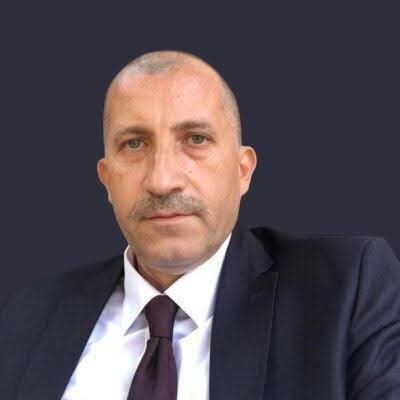
Selim Ibraimi- Tensions between Serbia and Kosovo have escalated following a series of statements by Serbian officials. Serbia’s former spy chief, Aleksandar Vulin (BIA), in a recent interview with Serbian National Television (RTS), has made some serious threats to Kosovo politicians. He used an analogy to the way Israel acts against its enemies. “If Israel can do it, if Mossad can do it, why can’t we?” Vulin said. “We’ve done this before. We know how these things are done,” he added.
Later, Kosovo’s Interior Minister, Xhelal Sveçla, hit back at the former Serbian official, calling his comments “deeply threatening.” Also days earlier, Serbian President Aleksandar Vučić said in a Facebook post: “Kosovo is Serbia. It was and it will be.”
Waves of threats from Serbia suggest potential covert operations. Belgrade may target Kosovo and other politicians in the Balkans soon.
The timing of the Serbian threats and the style of the covert operations are important. The timing is influenced by the war in the Middle East. New false reports have been published. Waves of stories are calling for Iran to attack the US base in Bondsteel, Kosovo.
In particular, the case has raised concerns. Reports indicate that the Serbian Embassy in Tehran was hit by the latest airstrike. The strike was carried out by the US and Israel. On the other hand, the threats may be Serbia’s strategy to distract Serbian public opinion. They might want to shift focus. This action diverts attention from the loss of a strategic partner in the Middle East, such as relations with Iran.
In this context of the statements of senior Serbian officials and former intelligence officers, we should not be so surprised. Historically, Serbian-Kosovar relations have been bad. The two states are living in deep hostility.
There were significant assassinations and operational actions in the Balkans. These occurred before and after the fall of the Ottoman Empire. They also continued after the formation of the Kingdom of Serbs, Croats, and Slovenes (SKS). These events brought about individual and national disasters. They even triggered the beginning of Balkan and world wars.
The assassination of Archduke Franz Ferdinand in Sarajevo in 1914 was carried out by the Serbian nationalist Gavrilo Princip. His actions led to more assassinations spreading to Kosovo and beyond.
In these new circumstances, Kosovo and leaders in Pristina should be careful of the latest warnings from Serbian officials. These open threats have found support from past governments in Belgrade at various times. Such threats should not be underestimated.
As former Serbian spy chief Aleksandar Vulin warned, in the past, both in Kosovo and in the diaspora, according to declassified documents, Belgrade has organized assassinations of Kosovo Albanian personalities.
When Serbs have organized assassinations against their own political figures, such as the founder of the Democratic Party (DS) Zoran Djindjic in 2003, it is easier to justify actions against politicians in neighboring countries or to keep them secret. The US and the EU have asked both sides to refrain from military action and warmongering rhetoric.
Historically, Serbia-Kosovo relations have been bad and continue to be so, especially since Kosovo declared independence in 2008.
The latest threats from Serbia should also be seen as an attempt by Serbia to create new destabilization in Kosovo, where the circumstances for Serbian intervention or interference in Kosovo’s internal politics have been created by Kosovo policy.
Meanwhile, Serbian President Aleksandar Vučić met with the Commander of NATO’s Joint Forces Command in Naples, Admiral George M. Wikoff. He stressed the importance of KFOR for peace and the protection of Serbs in Kosovo. He insisted on respecting the Kumanovo Agreement and Resolution 1244.
“I stressed that regular dialogue and mutual trust remain the key to regional stability and security. Serbia remains committed to cooperation through the Partnership for Peace program, while respecting its national interests and sovereignty.” Despite such seemingly peaceful protocol statements, Kosovo should not remain quiet.
Given the Serbian military and paramilitary efforts against Kosovo, such as the attack on Banjska in 2023, and knowing the ongoing Serbian reactions, the government in Pristina should work closely with KFOR forces.
In parallel, Kosovo authorities must increase vigilance, always in public safety, that of high-ranking officials, borders, etc.
Kosovo is recognized by 101 UN member states. Kosovo is not recognized by Serbia, Russia, China, etc., and five EU member states. Kosovo and Serbia, to some extent, are in talks under EU mediation but without success. Kosovo is waiting for all sanctions to be lifted by the EU. The international community is waiting for Kosovo to form the AKM (AKS) and for Serbia to also stop it obstacles to Kosovo.
Under the new Trump presidency, some suggest that new talks may begin between the two countries. The chances are high.
The war in the Middle East is taking a dangerous course. Washington has not taken concrete steps for a new round of talks between Pristina and Belgrade.
The article was written specifically for Portalb.mk. The publication rights are only owned by Portalb.mk and the author, according to the agreement between them.