
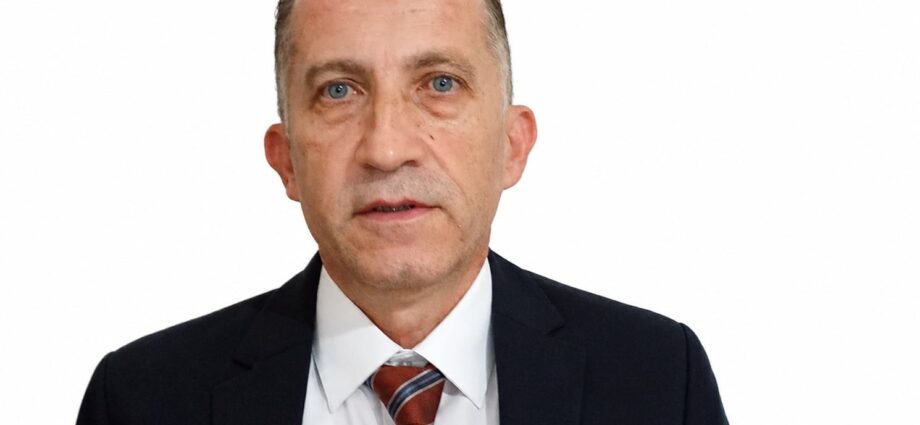
Selim Ibraimi- At the Berlin Process meeting in Albania, high-ranking representatives from the Balkans expressed their commitment to joining the EU. However, the EU has outlined a multi-speed path involving gradual steps and restrictions should reforms fail to be implemented.
North Macedonia, Serbia, Kosovo, and Bosnia and Herzegovina are not included in this accelerated track. Good news, however, has emerged for Albania, Montenegro, Ukraine, and Moldova. Ultimately, the EU plans to open not only the single market to candidate countries but also the prospect of gradual membership. Access to the single market would initially be granted to the aforementioned states that are closest to membership.
North Macedonia and Serbia still need to take bold steps to demonstrate their genuine commitment to the EU.
Recent developments indicate that the EU is engaging closely with the region. It is the candidate countries themselves that, for various reasons, have failed to meet the criteria, often citing historical or unnecessary pretexts. Before departing for Montenegro, German official Johann Wadephul stated: “EU enlargement in the Western Balkans is a test for Europe. It will determine the influence the EU will have in the coming decades.”
The German official plans to visit Rome and Ljubljana with the aim of accelerating the enlargement process in the Balkans. At the same time, it is worth reiterating that initiatives should not come from just one side—that is, solely from the EU.
The states aspiring to join the EU must indeed continue reforms and intensify efforts regarding the rule of law, the fight against organized crime, and, naturally, the resolution of interstate disputes.
In this regard, the visit to the region by European Commission President Ursula von der Leyen was viewed positively in Albania—and, it is fair to say, in Kosovo as well—as it reaffirmed the EU’s support for reforms.
One assurance Kosovo sought concerned recent events stemming from the Hague verdict. The President has already clarified the EU’s position regarding 1999 and the struggle of the people of Kosovo. In Albania, the government reaffirmed its commitment to reforms and the fight against crime and various forms of corruption.
In North Macedonia, the government persisted with the argument that the country deserves more from the EU and that Brussels should reconsider its stance toward Skopje. Following President Ursula von der Leyen’s recent visit and the high-level meeting in Tirana, it has become clear that the EU has effectively created two categories of candidates.
The first group is likely to join the Union soon and reap the benefits of EU membership, while the second group faces a longer wait. Regarding the EC President’s recent meeting in Skopje, a step forward could be achieved if Skopje officially resumes stalled talks with Sofia. The government has announced plans to send a diplomatic note regarding a potential meeting with the Bulgarian side. According to Brussels, North Macedonia has already received several million euros under the Growth Plan. If the disputes with Bulgaria are resolved, the country could open its first negotiating clusters. No progress has been made by Skopje since 2022 due to the Bulgarian veto. Regarding Serbia, the EU will either succeed in drawing the country closer or end up exhausted from pouring in funds with little prospect of Belgrade abandoning its “balancing act.”
Nevertheless, in the wake of the Ukraine crisis and amidst EU concerns regarding Russian hybrid attacks, migration, relations with the US, and other challenges, Brussels is making a concerted effort to bring the Western Balkans closer into the fold. Meanwhile, citizens of the Balkan states are weary and frustrated with their governments, which hesitate to implement reforms or resolve outstanding issues.
If North Macedonia makes a breakthrough with Bulgaria now and breaks the current deadlock, it would be major news for the year. However, it remains to be seen in the coming weeks whether the government is truly serious about addressing unresolved issues and pursuing integration.
This article was written specifically for Portalb.mk. Publication rights belong solely to Portalb.mk and the author, in accordance with the agreement between them.