
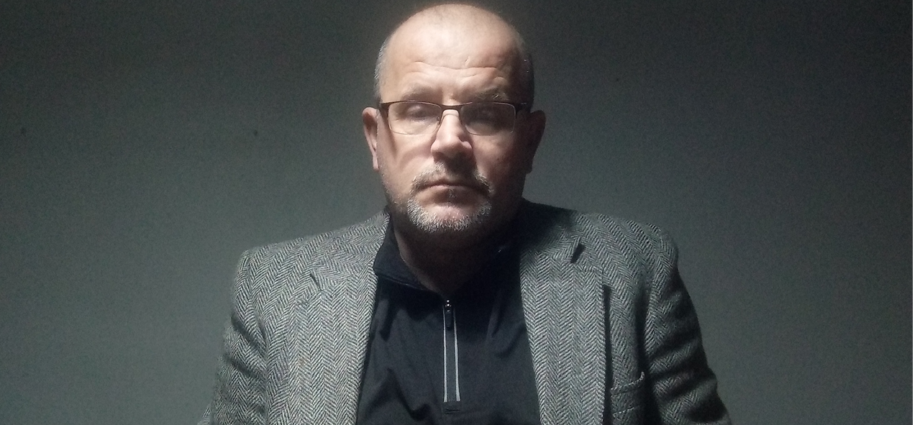
Nga Blerim Abedini, ISSD-NM
Jemi në një kohë të tranzicioneve të brishta politike, që sfidojnë shoqëritë anembanë rruzullit tokësorë. Vendimmarrjet e papërgjegjshme ose të inicuara nga intereset individuale ose grupore kanë arritur që të lëkundin sferat më të ndjeshme të jetës publike. Sidoqoftë në fund të tunelit, shpresat për një dritë nuk kanë humbur edhe pse flijimi ka qenë I pandalueshëm.
Integrimi ndaj një bote ku do të evitohen në kohë vendimmarrjet byrokratike si dhe qeverisjet diktatotriale duhet të jenë paralele me riformësimin e institucioneve ndërkombtare që me mekanizma të ndryshme absolute do t’I ndalojnë në kohë veprimet shkatërimtare ndaj rendit dhe lirisë globale.
Jemi dëshmitarë të disa zhvillimeve politike, që me dekada nuk u zhvendosën aspak nga rehatia e byrokracisë. Njëra ndër ta si fqinji ballkanik-Serbia, që nuk dëshironte të reformohej, atë që kishte kopjuar nga kushtetuta jugosllave dhe praktika e saj katër dekadëshe. Një ashtu reformat që filluan në Bashkimin Sovjetik dhe disperzimin e saj, me Mihaill Gorbaçovin, dhe pas tij Boris Jelcinji u blokuan nga grushteteti sekret I Putinit, I cili më tej nuk deshti reformimin e Rusisë por ëndëronte Bashkimin Sovjetik dhe Luftën e Ftohtë si kundërvënie ndaj Aleancës Veri-Atlantike, që është një investim i gabuar dhe rruga që I hapi kërcënimet me arsenal nuklear.
Qytetërimi botërorë është I shqetsuar poashtu me vendimmarrjet politike në ShBA, që devijojnë dhe japin pasqyrë të zymtë për një demokraci që udhëhoqi rendin botërorë. Ky kurs politik në ShBA ka kontribuar në revoltat qytetare përshkak të rritjes së kostos së jetesës dhe pasurimin e një shtrese të ngusht hierarkike, që Bernie Sanders shpesh aludon në këtë në kampanjat politike për zgjedhjet e nëntorit në ShBA. Aferat korruptive apelohen por si një reagim opozitarë që akoma nuk mund të vij tek aktet përmbaruese.
Sidoqoftë, prishja e rendit politiko-ekonomik në nivel global, është shqetësuese përderisa kërcënimet me arsenal luftarak nuklear janë bërë të shpeshta që parashtrojnë nevojën për mobilizim të popullatës dhe përgatitje për strehime nga këto armë shkatëruese. Kjo veçse është gjuha e fundit e negocimit kur anashkalohen marrëveshjet diplomatike si dhe neglizhohen normat ndërkombtare të ratifikuara. Domino efektet me krizat ushtarake janë bartur shpesh në mjedise jo të sigurta politiko-shoqërore dhe ekonomike. Këtë e shfrytëzoi B.Netanjahu për aferat e tija korruptive si dhe regjimin iranian e cila protestat civile në vend I shuante me vrasje, burgosje dhe ekzekutime publike. Akoma kjo torturë vazhdon ndaj protestuesve të regjimit!
Megjithatë, dënimi medoemos të vij me zgjedhjet elektorale sikur që shihet liberalizmi I arritur pas zgjedhjeve elektorale në disa shtete të regjimit anembanë botës.
WHEN BUREAUCRACY FAILS: THE GLOBAL BATTLE AGAINST AUTOCRACY AND COLLAPSE
We find ourselves in a period of fragile political upheaval, posing challenges to societies across the globe. Decisions that were either irresponsible or driven by the interests of specific individuals or groups have shaken the most sensitive sectors of public life. Yet, even though the sacrifices have been relentless, hope for improvement remains at the end of the tunnel. The transition toward a world in which bureaucratic decision-making and dictatorial regimes are relegated to the past must go hand in hand with the restructuring of international institutions—institutions equipped with effective mechanisms to promptly halt destructive actions directed against global freedom. We are witnessing political developments that had remained stagnant for decades within the comfort zone of bureaucracy. A case in point is our Balkan neighbor, Serbia, which refused to reform the structures it had inherited from the Yugoslav constitution and four decades of established practice. Similarly, the Soviet Union underwent a reform process that ultimately led to its dissolution; the era of Mikhail Gorbachev and Boris Yeltsin, however, was thwarted by Vladimir Putin’s clandestine coup. Rather than seeking to reform Russia, Putin harbored dreams of the Soviet Union and the Cold War as a counterweight to NATO—a misguided endeavor that paved the way for the current threat posed by a nuclear arsenal.
Global civilization is also concerned by political choices in the United States—choices that deviate from the right path and paint a bleak picture of a democracy that once defined the global order. This political trajectory in the U.S. has contributed to civil unrest, fueled by the rising cost of living and the enrichment of a small, hierarchical elite. Bernie Sanders frequently addresses these issues in his campaign for the U.S. elections this November. While corruption is denounced, such criticism comes only from the opposition—a stance that has yet to translate into executive action.
The political and economic collapse, coupled with a resurgence of former powers on the global stage, is deeply concerning. The growing threat posed by nuclear arsenals makes it increasingly necessary to mobilize the public and prepare shelters against these destructive weapons—a measure that serves as a final resort when diplomatic agreements are bypassed and ratified international norms are disregarded. The domino effects of military crises frequently result in unstable political, social, and economic environments. Benjamin Netanyahu exploited this for his own corrupt schemes, as did the Iranian regime, which suppressed domestic civil protests through murder, imprisonment, and public executions. Such acts of torture against those who oppose the regime continue to this day. Ultimately, however, accountability must be pursued through the electoral process—a principle reflected in the liberal shifts that have taken hold in various regimes around the world following elections.